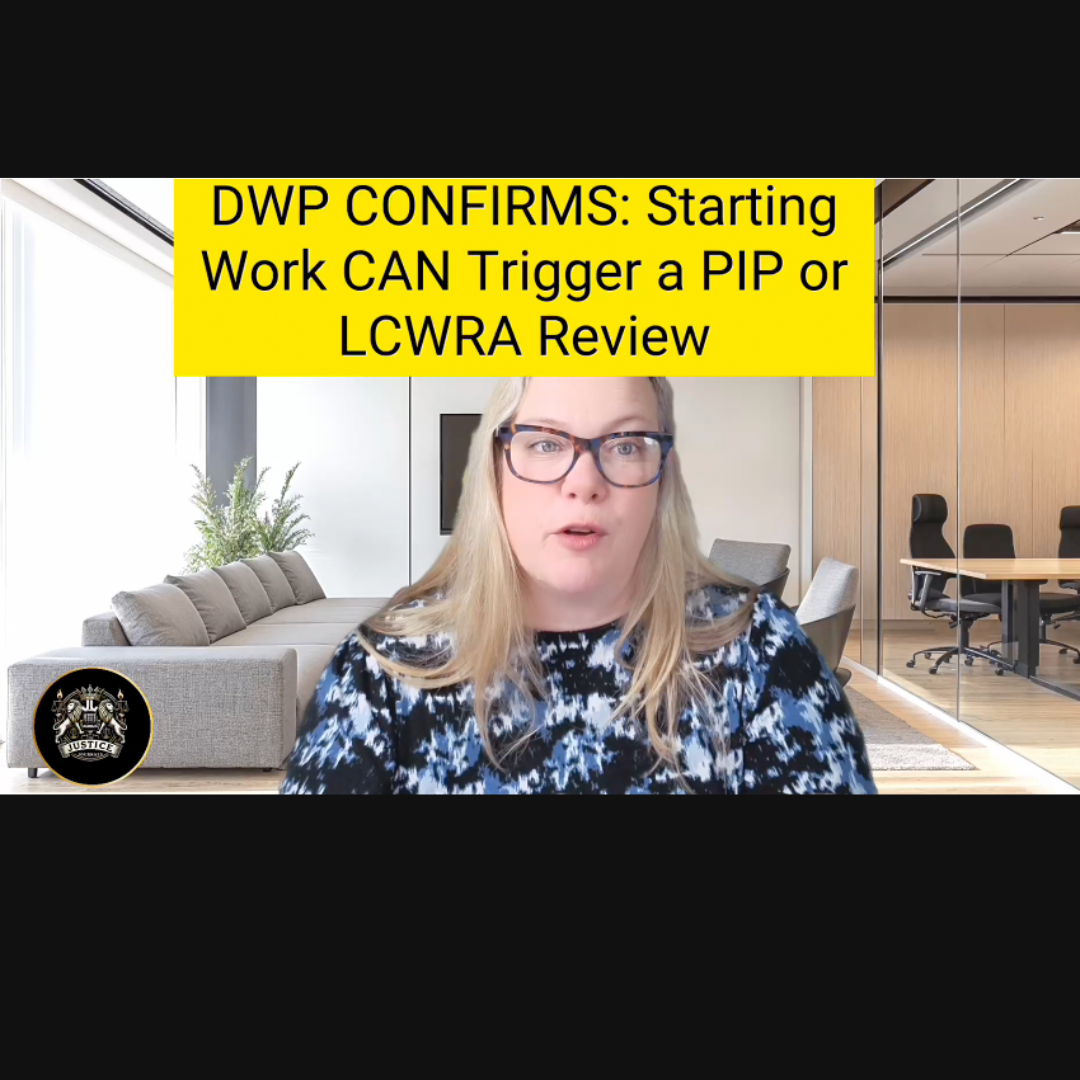
DWP Confirms Starting Work Can Still Trigger a PIP or LCWRA Review for Disabled workers
The DWP’s new Right to Try work rules were supposed to reassure disabled people and people with long-term health conditions that trying work would not automatically put their benefits at risk.
But the new guidance is not quite as simple as many people hoped.
The important thing to understand is this:
Starting work should not automatically trigger a reassessment. But the type of work you start can still be looked at if DWP thinks it may show your condition or functional ability has improved.
That means the danger is not simply that you have started work.
The danger is that DWP may look at your job title, your duties, your hours, your travel, or the type of work you are doing and decide it appears inconsistent with the evidence you gave for your PIP, LCW or LCWRA award.
For example, if someone has been awarded because they cannot walk or mobilise very far, but then starts work in a physically demanding role, DWP may decide that a further Work Capability Assessment is needed.
If someone has PIP mobility because they cannot follow an unfamiliar journey without another person, but then starts a job involving frequent business travel, DWP may decide to review the PIP award.
That does not mean every person who works will be reviewed.
It does mean claimants need to be careful, prepared, and properly evidenced.
Because a job title does not tell the full story.
You may be working reduced hours. You may be working from home. You may need special equipment, flexible breaks, support from colleagues, taxis, lifts, reminders, adapted software, or time to recover after each shift.
You may be able to do the work for one day, but then spend the next two days in bed.
That is the part DWP may not see unless you document it.
So if you are on PIP, LCWRA, LCW or ESA and you are thinking about trying work, do not panic — but do prepare.
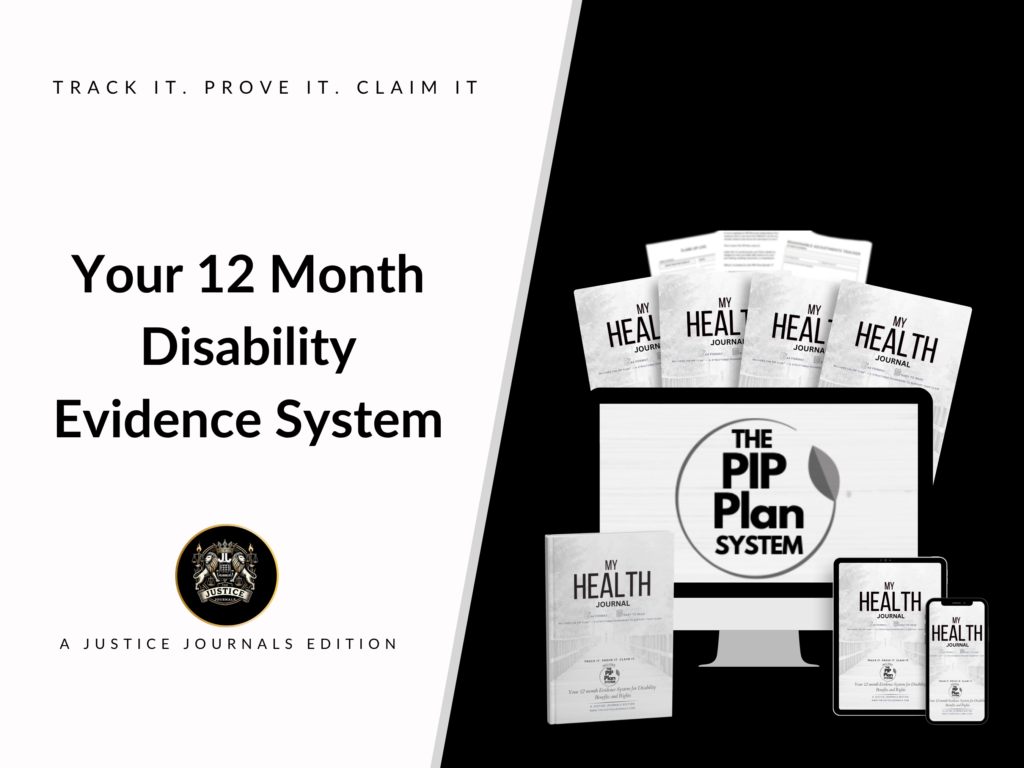
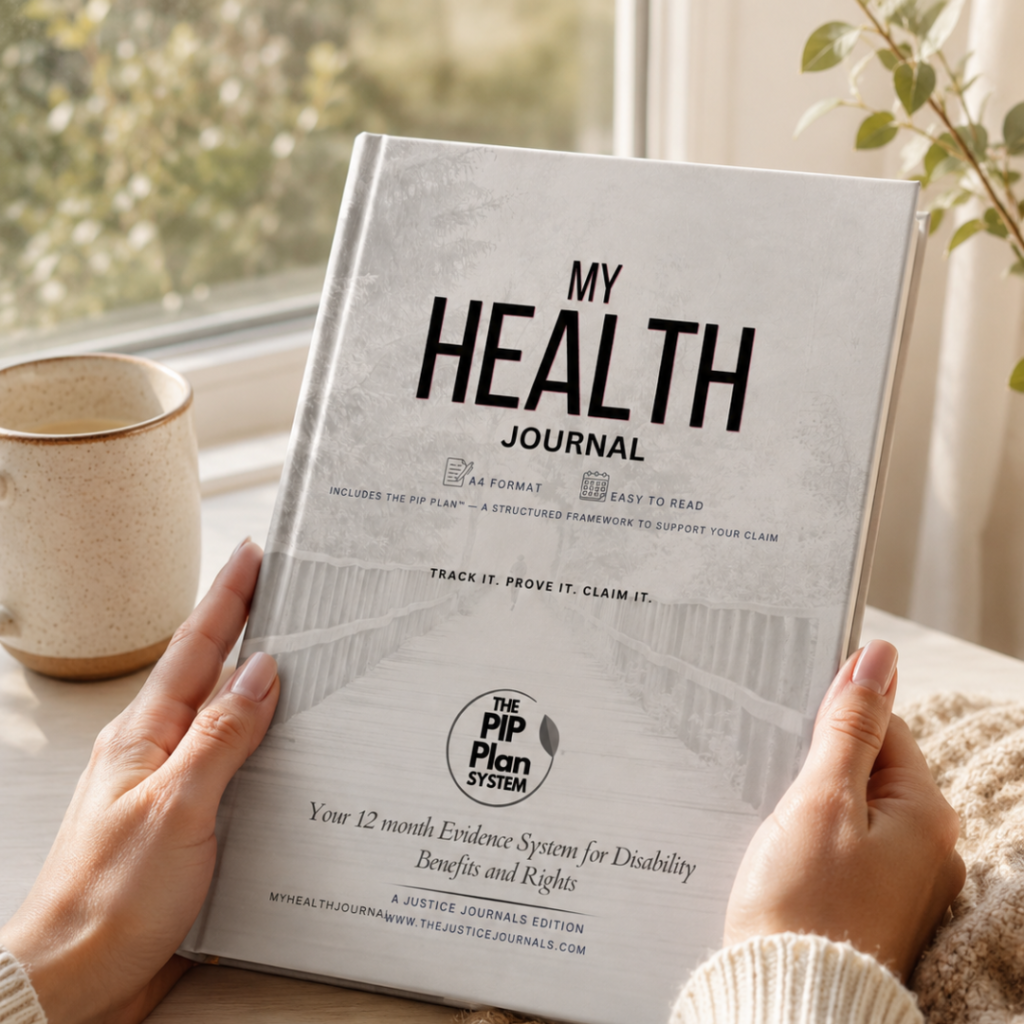
Use My health Journal written By successful Disability Advocate, Alison Mcrobbie to Keep evidence of:
Your symptoms and flare-ups
Your bad days and recovery time
Any adjustments you need
Any aids, equipment or support you use
Reduced hours or flexible working
Sickness absence or cancelled shifts
Travel difficulties
The impact work has on your health
Whether the work is actually sustainable
The new Right to Try rule may stop DWP from reassessing you simply because you started work.
But it does not stop them looking at whether the work you are doing appears to contradict your award.
That is why evidence matters.
Because with DWP, it is not always enough to say, “I am still disabled.”
You may need to prove what is happening behind the scenes.
If you are trying work while managing a long-term health condition or disability, my Health Journal and PROVE IT evidence system can help you record your symptoms, adjustments, flare-ups, bad days and real-life impact properly — so you are not relying on memory if DWP ever asks questions.